Creating a Sanctuary: Designing Landscapes for Relaxation and Fun Jan 07, 2026
The first step in designing your outdoor sanctuary is to consider how you intend to use the space. Are you planning to host lively summer barbecues, or do you envision serene mornings with a cup of coffee and a good book? Defining your primary use will guide your design choices, ensuring that form meets function.
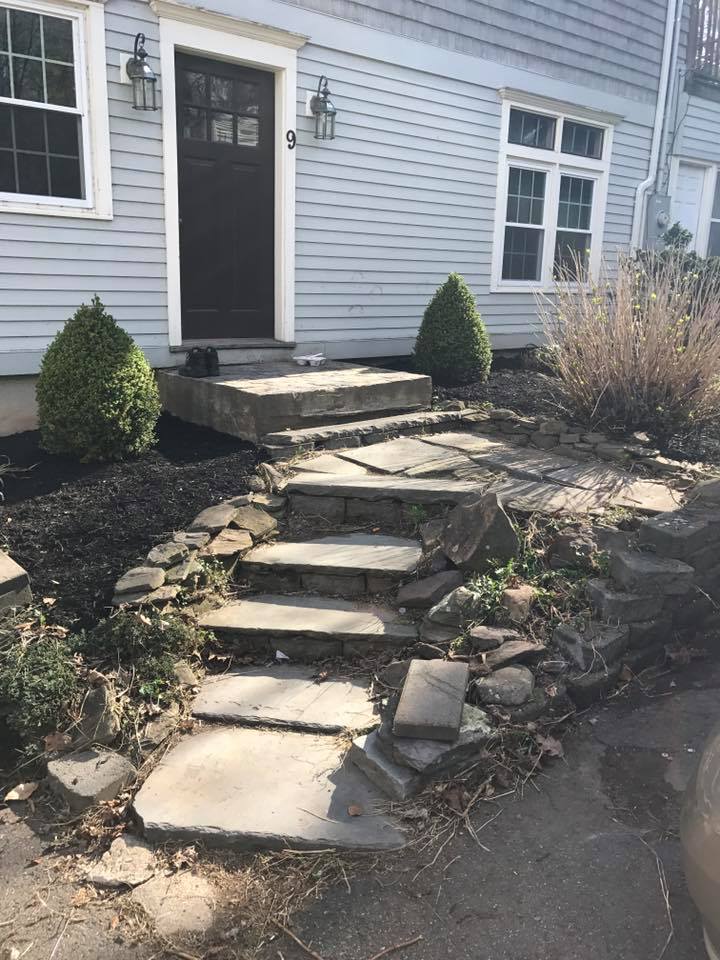
Once the purpose is clear, the next phase involves choosing the right elements that enhance both the beauty and utility of your space. Start with assessing the layout of your garden. Incorporating curving walkways or pathways can lead the eye naturally through your landscape while providing practical access to different areas. Consider using materials like stone or pavers for these paths to ensure longevity and low maintenance.
Integrating a hardscaping element such as a patio or deck offers a flat, stable area perfect for dining, lounging, or entertaining. Selecting materials that complement your house’s architecture and existing garden features ensures cohesion and enhances the overall aesthetic. Consider adding pergolas for shade, which also introduces vertical interest to your landscape design.
Plant selection is another crucial component in creating a welcoming atmosphere. Opt for a combination of evergreens for year-round interest and seasonal flowers for color and diversity. Incorporating aromatic plants like lavender or jasmine can add sensory pleasure, enhancing the tranquil ambiance of your outdoor space. Pay attention to plant placement and spacing to prevent overcrowding and ensure robust growth.
Water features, such as a small pond or fountain, can add a soothing soundscape and a focal point in your garden. The gentle trickling of water promotes relaxation and can even aid in masking unwanted noise from nearby streets.
Lighting plays a pivotal role in extending the usability of your sanctuary into the evening hours. Efficient lighting solutions not only enhance safety but also set the mood. Consider solar-powered lights for pathways or soft, ambient lights around seating areas to create an inviting glow that encourages relaxation long after the sun sets.
Sustainable practices should also inform your design choices. Incorporating native plants that are well-suited to your local environment reduces the need for excessive watering and maintenance, which is both eco-friendly and cost-effective. In addition, using sustainable materials for hardscapes, such as recycled stone or reclaimed wood, can enhance your landscape’s eco-credentials.
In conclusion, designing a landscape for relaxation and fun requires thoughtful planning and execution. By focusing on balance between hardscaping and natural elements, utilizing cohesive materials, and embracing sustainable practices, you can create a haven that reflects your personality and lifestyle. At KMK Property Maintenance, we’re committed to helping you realize your outdoor vision, transforming your yard into a sanctuary of peace and joy. Reach out to us to start your journey toward a beautifully designed outdoor space that you and your family can enjoy for years to come.
/filters:no_upscale()/filters:format(webp)/media/2445556d-c9df-4fa6-801b-3e9ba7a6004f.jpeg)
/filters:no_upscale()/filters:format(webp)/media/dece4eb5-a961-4380-b791-2a6b1d09f20b.jpeg)